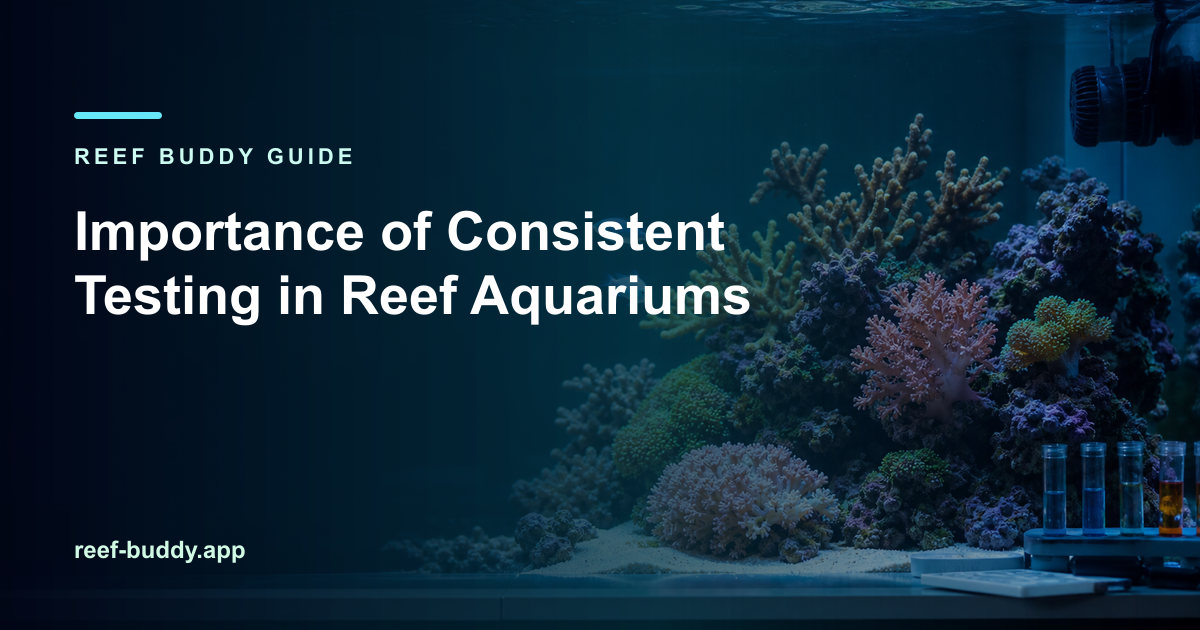
The Importance of Accurate Testing in Reef Aquariums
Maintaining a healthy reef aquarium requires more than beautiful corals and fish; it depends on consistent tracking of water parameters. Accurate testing helps keep your reef tank stable and gives you cleaner trend data to act on before livestock is stressed.
Understanding Water Parameters
Water quality directly affects the health of your reef aquarium’s inhabitants. Key parameters include temperature, salinity, pH, ammonia, nitrite, nitrate, and alkalinity (dKH). Each parameter plays a crucial role in ensuring a balanced ecosystem.
Common Parameters to Measure
- Temperature: Aim for 76-82°F (24-28°C)
- Salinity: Aim for about 35 ppt (roughly 1.025-1.026 specific gravity)
- pH: Ideal levels are between 7.8-8.5
- Ammonia: Should be at 0 mg/L
- Nitrite: Target levels should also be at 0 mg/L
- Nitrate: Keep below 20 mg/L for most reef tanks
- Alkalinity (dKH): A range of 8-12 dKH is recommended
Impact of Inaccurate Measurements on Marine Life
Inaccurate water testing can lead to deadly consequences for the delicate species in your reef aquarium. High ammonia levels can kill fish, while fluctuations in pH and alkalinity can stress corals, leading to poor health or even loss.
The Role of Consistency in Aquarium Maintenance
Benefits of Regular Testing
Implementing a regular testing schedule can prevent problems before they escalate. Consistent testing helps ensure stable water parameters, which can:
- Enhance coral growth and coloration
- Reduce stress on fish and invertebrates
- Provide a thriving environment for all marine life
Developing a Testing Routine
Create a routine that suits your schedule. Most beginners find it helpful to test their water weekly, while advanced aquarists might test bi-weekly or monthly, depending on their tank’s needs.
How Reef Buddy Can Help
User-Friendly Interface for Beginners
Reef Buddy is designed with beginners in mind. Its interface makes reef tank parameter tracking easier without burying you in technical jargon.
Tracking and Analyzing Data
With Reef Buddy, you can log reef tank test results, review trends over time, and spot slow drifts before they become major problems.
Setting Reminders for Regular Testing
Stay organized by setting reminders for your testing schedule. Reef Buddy helps you stay consistent with saltwater aquarium testing and maintenance checks.
Tips for Getting Started with Testing
Essential Tools for Accurate Measurement
Invest in quality test kits specific to marine aquariums. Here are some essential tools:
- pH test kits
- Ammonia and nitrite test kits
- Nitrate test kits
- Alkalinity test kits
- Hydrometer or refractometer for measuring salinity
Interpreting Your Test Results
Read the instructions on your test kits carefully. Compare results with the target ranges listed above to assess your water quality.
Adjusting Tank Parameters Based on Results
If you encounter readings outside the recommended range, take steps to adjust. This could mean performing a water change, adding buffers, or changing other tank conditions gradually to stabilize the environment.
FAQ
-
Why is testing water parameters important in aquariums? Testing ensures a stable and healthy environment for marine life, preventing stress and potential death.
-
How often should I test the water in my reef aquarium? Beginners should test weekly, while experienced aquarists may do so less frequently, depending on their tank’s stability.
-
What are the most critical parameters to monitor in a reef tank? Focus on temperature, salinity, pH, ammonia, nitrite, nitrate, and alkalinity.
-
How can I keep track of my aquarium tests easily? Use a reef tank tracker like Reef Buddy to log water parameter results, review trends, and keep testing reminders in one place.
-
What should I do if my test results indicate a problem? Investigate the source of the issue and make necessary adjustments, such as water changes or parameter balancing.
To sum it up, accurate testing and consistency are crucial for maintaining a thriving reef aquarium. With a reef tank tracker like Reef Buddy, beginners can log water parameters, review trends, and build a steadier testing routine for long-term reef stability.