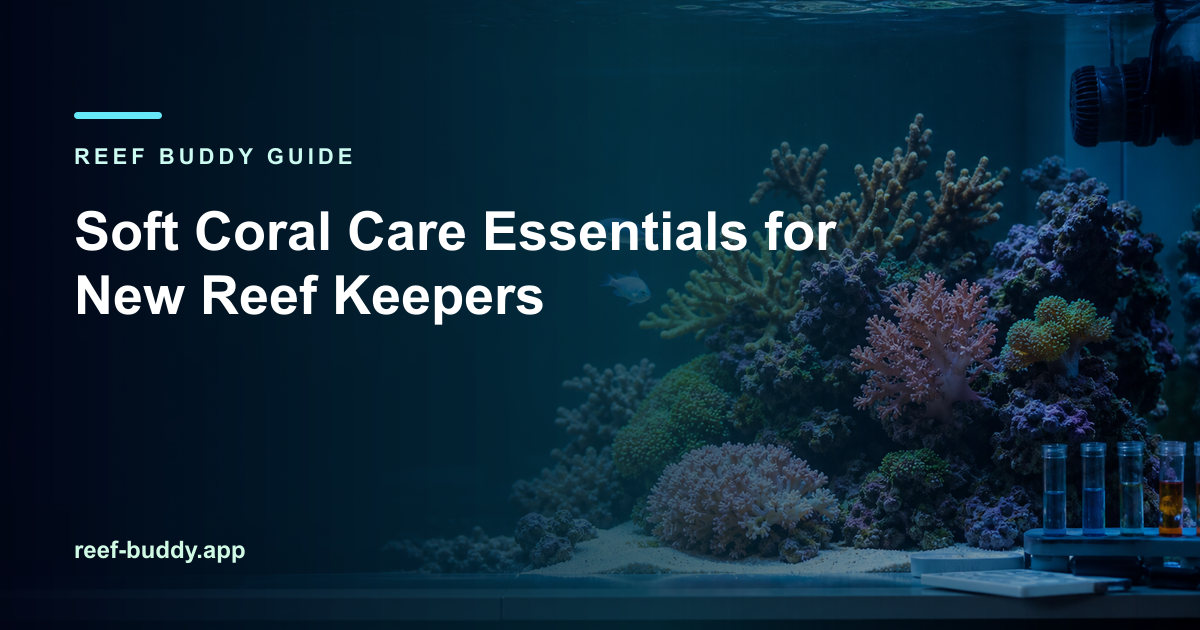
Introduction to Soft Coral
What is Soft Coral?
Soft corals are a fascinating group of marine invertebrates that belong to the class Anthozoa. They do not have a hard, calcified skeleton like hard corals. Instead, soft corals are more flexible and come in a variety of shapes and colors, contributing significantly to the biodiversity of coral reefs.
Importance in a Reef Tank
In a reef aquarium, soft corals play a crucial role in creating a natural habitat. They provide shelter for fish and other marine organisms, enhance the aesthetic appeal of the tank, and contribute to a balanced ecosystem.
Types of Soft Coral
Common Varieties
Here are some popular types of soft coral you may want to consider for your reef tank:
- Zoanthids: Colorful polyps that are easy to care for.
- Mushroom Corals: Resilient and come in various shapes.
- Leather Corals: Known for their leathery texture and durability.
- Xenia: Known for their pulsing movement and unique appearance.
Characteristics of Each Type
| Type | Appearance | Care Level | Growth Rate |
|---|---|---|---|
| Zoanthids | Brightly colored polyps | Easy | Moderate |
| Mushroom Corals | Polyp-like, varied shapes | Easy | Slow |
| Leather Corals | Firm, leathery surface | Moderate | Moderate |
| Xenia | Pulsating movement | Moderate | Fast |
Soft Coral Care Basics
Lighting Requirements
Soft corals generally thrive under moderate lighting. Use LED or T5 lighting systems, and ensure the light intensity matches the specific needs of the coral type. A good rule is to provide around 50-150 PAR (Photosynthetically Active Radiation).
Water Flow Needs
Soft corals prefer moderate water flow. Too much flow can harm them, while too little can lead to stagnation. Aim for a gentle current to promote healthy growth and nutrient uptake.
Feeding Soft Corals
While many soft corals capture food particles from the water, they also benefit from supplemental feeding. Use a high-quality coral food designed for suspension feeding, and feed once or twice a week.
Ideal Tank Conditions
Water Parameters
Maintaining specific water parameters is crucial:
- Salinity: 34-36 ppt (about 1.025-1.027 specific gravity)
- Temperature: 72-78°F (22-26°C)
- pH: 8.0-8.4
- Alkalinity: 8-12 dKH
- Nitrates: 1-10 mg/L
- Phosphates: <0.03 mg/L
Tank Setup
Create a suitable environment by using live rock, sand, and good-quality filtration. Ensure there is adequate space for each coral to grow and thrive without competition from other tank inhabitants.
Compatibility with Other Marine Life
Best Tank Mates
Soft corals can generally coexist peacefully with a variety of fish and invertebrates, including:
- Clownfish
- Gobies
- Small wrasses
- Shrimp and snails
Fish and Invertebrate Interactions
Be cautious with aggressive fish that may nip at or damage soft corals, such as certain types of angels and butterflies. Always research compatibility before introducing new species to your tank.
Troubleshooting Common Issues
Disease and Pests
Watch for pests like nudibranchs and flatworms that can damage soft corals. Use a dip solution to treat new corals before adding them to your tank.
Stagnation and Growth Problems
If soft corals are not growing or are receding, check water parameters and lighting levels. Ensure they are not placed in areas with strong currents that disrupt their feeding.
Conclusion
Final Thoughts on Soft Coral Care
Caring for soft corals can be rewarding and enhances the overall health of your reef tank. With the right conditions and care, beginners can successfully integrate soft corals into their aquariums, creating a vibrant underwater ecosystem.
FAQ
What are the best types of soft coral for beginners?
Zoanthids and mushroom corals are excellent starting points for beginners due to their resilience and care requirements.
How do you maintain water parameters for soft corals?
Regular water testing and adjustments are crucial. Use reliable test kits and change water frequently to stabilize conditions.
Can you keep soft corals with hard corals?
Yes, many aquarists successfully keep both types, but ensure that the soft corals have enough space and are not overshadowed by hard corals.
What lighting is best for soft coral in a reef tank?
Moderate lighting, typically around 50-150 PAR, is recommended. Adjust based on specific coral needs.
How often should I feed my soft corals?
Feed soft corals once or twice a week with a quality coral food, ensuring proper particle size for ingestion.
For more in-depth guidance and tracking of your reef aquarium’s health, consider using the Reef Buddy app. As your friendly assistant, Shrimpy is here to help you master the art of reef keeping!